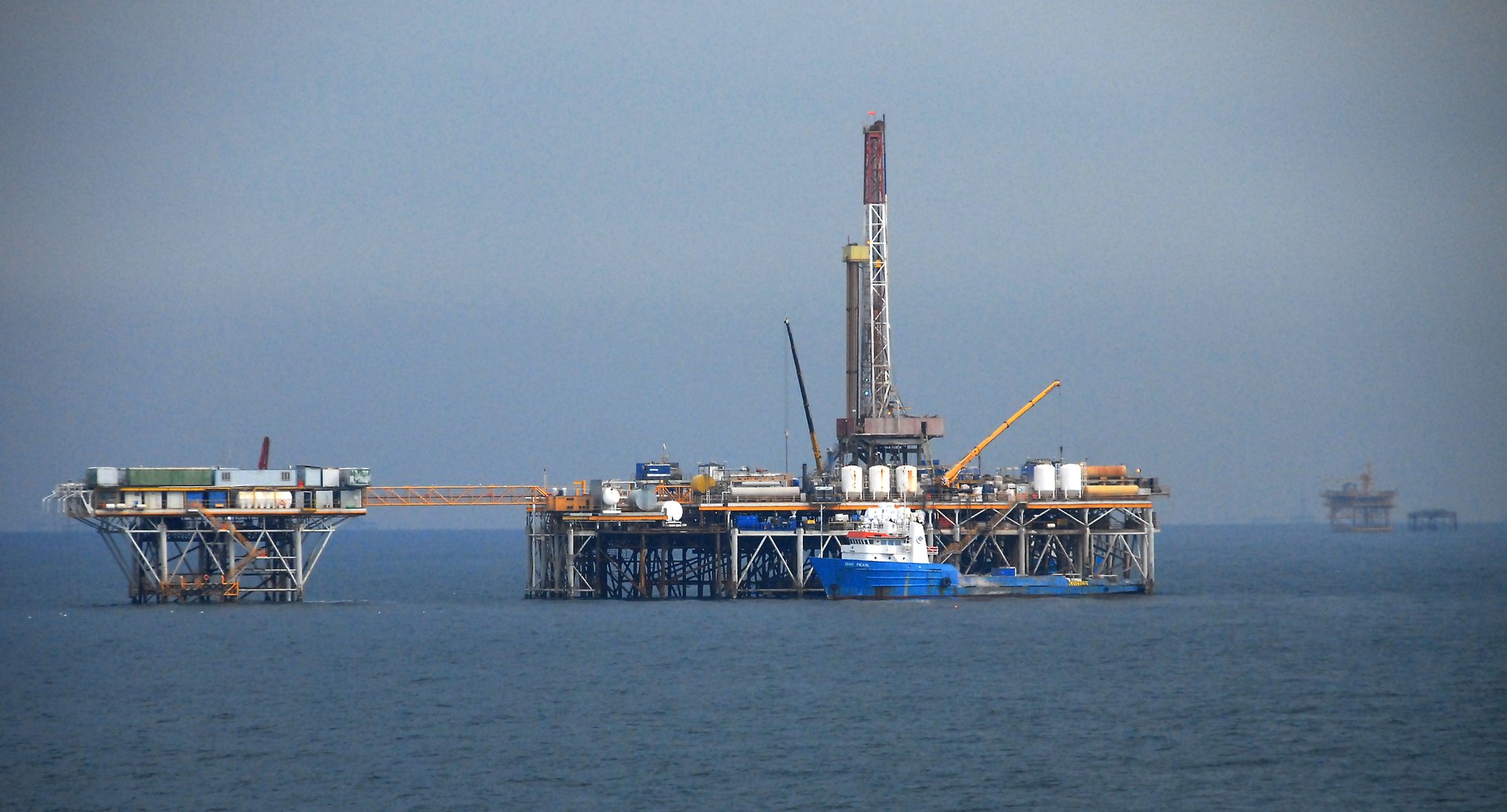
Two quite different problems share this sector. Subsea, the question is flow assurance: keep the produced fluid above the temperature at which hydrates or wax will form, over a long tieback, in water that is close to freezing and takes heat away relentlessly. A blockage in a subsea line is an extremely expensive event, so cooldown time is a design parameter that gets taken seriously.
Topside, the question is weight. Every tonne of insulation on a floating asset displaces a tonne of something else, and the weight budget is usually the binding constraint on what the facility can do. Insulation that also carries a fire rating removes an entire second system and the weight that came with it.
Where aerogel changes the outcome
- High thermal resistance per unit thickness, extending cooldown time on subsea tiebacks
- Low installed weight, which is the binding constraint on floating assets
- Fire rated grades combine insulation and passive fire protection in one layer
- Resistant to salt water and unaffected by most mechanical abuse during installation
- Compatible with the spool fabrication sequences already used offshore
Typical scope
- Subsea flowlines, jumpers and spools
- Pipeline end terminations and manifolds
- Christmas tree and wellhead insulation
- FPSO topside process pipework
- Platform fire rated pipework and structural steel
- Riser and caisson insulation
Products for this sector
- Aerogel Blanket AB-FR - fire rated topside insulation
- Aerogel Blanket AB-650 - general topside hot service
- Aerogel Blanket AB-C200 - cold service and gas processing sections
Talk to us about your project
Send us your line list, drawings or target U-values and we will come back with a thickness recommendation, a bill of material and a quotation. Contact our technical team.